comment 1

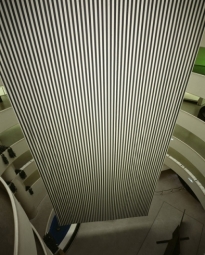
Daniel Buren, In-Situ work

Daniel Buren is a favourite of mine, I was on the Guggenheim website today and thought I’d share what they wrote about him:


“It is by working for a given exhibition site that the work in situ—and it alone—opens up the field for a possible transformation of the very place itself.” — Daniel Buren


Daniel Buren’s exhibitions and installations are conceived and created solely from their architectural and institutional settings. Buren uses the term “in situ” to describe the relationship between his work and the sites where they take place. A work in situ exists only in relation to the specific place that prompted it. In his work, Buren addresses characteristics of the host space and, in doing so, tends to transform it.

Buren examines a site’s structure, architecture, layout of rooms, exits, hallways, staircases, and windows. He also considers the more abstract aspects of a given space: the network of social, economic, and political forces at play in any given context. Because his work considers this constellation of variables, each is particular to the site it inhabits. From their very conception, his works are closely related to settings that represent the scenarios of everyday living. They are meant for and exist through direct interaction, eliciting the viewer’s sensibility, intelligence, and reflections.’
 

source

comment 0

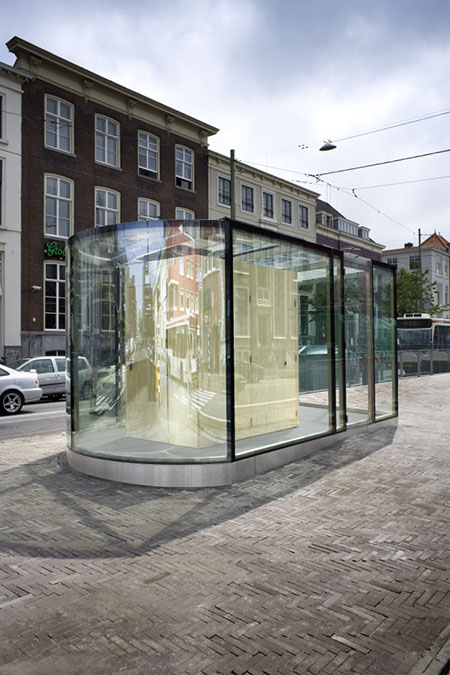
Frieze/Dan Graham

Frieze magazine is a really interesting essential source to keep an eye on for anyone interesting in visual art and culture. If you don’t want to subscribe, their website is great, it has many of the articles features in the magazines and the blog is great.

An interview that caught my fancy in the May edition of Frieze is, on the occasion of his exhibition at Protocinema in Istanbul, a conversation between Dan Graham who discusses sci-fi, dance, model-making and the ‘just-past’ with Turkish artist Can Altay  called SOCIAL SPACES. Click HERE to be directed to the  interview on the Frieze website.

comment 0

Robert Irwin on Painting between 1957 -62

The relevance of painting today is being explored by some, and there are a few things about a ‘good’ painting that don’t date, including the ideas within this piece of genius by Robert Irwin which he wrote between the Fifties and sixties, where painting left off. This is an excerpt from his writings,  ‘Through The Early Lines, on the inner life of a painting;

“Shapes on a painting are just shapes on a canvas unless they start acting on each other and really, in a sense, multiplying. A good painting has a gathering, interactive build-up…….That’s what a good Vermeer has, or a raku cup, or a Stonehenge. And when they’ve got it, they just jump off the goddamn wall at you. They just,bam!”

Weschler, L. Seeing is Forgetting the Name of the Thing One Sees, 2008. P. 64


comment 0

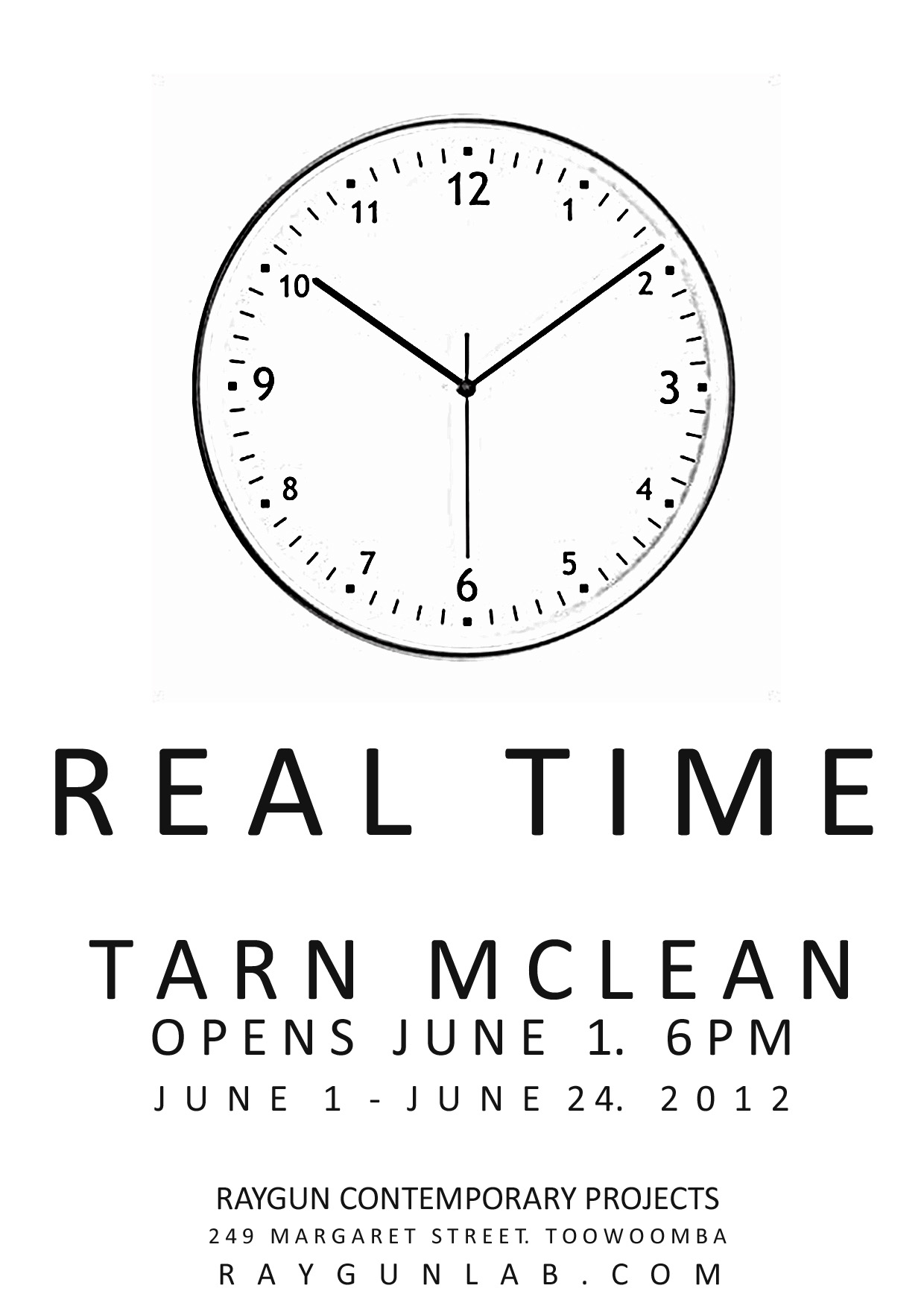
REAL TIME, Tarn McLean

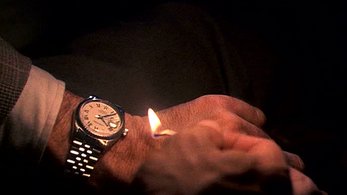
‘Real Time’ opened on Friday night, it was one of two showings, the next ‘Real Time’ will be in two weeks.  The films below will give you a taste of the project, I will upload more in 2 weeks. The project is super interesting, and listening to people asking questions about the work, beginning to understand it, and then watching how they exist within the space is great. Thanks Tarn, and Emma’s explanation of the first film is great. Thanks Em x

comment 0

Rebecca Baumann

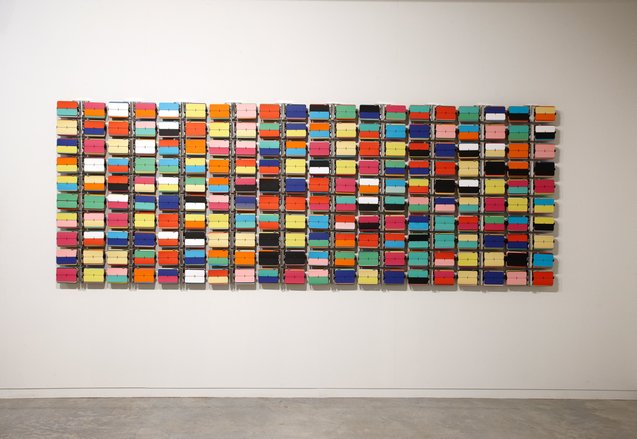
Recently Ali and I went down to Sydney for a group show we were in and visited the newly refurbished MCA. We were loving Rebecca Baumann’s take on the colourfield, with kinetic movement of hundreds of tiny coloured cards on individual time rotations. Check her out. http://www.mca.com.au/collection/work/201120/

comment 0

DIPLOPIA VIEWING

This slideshow requires JavaScript.

Last night was the last viewing of Honey Biba Beckerlee’s film Diplopia. Imagine everyone sitting on the floor on cushions or bean bags with a glass in their hand (champagne shaped) and the film on repeat. There were a few new faces who loved sharing and the discussion, Tiffany explained the ideas within Roland Barthes Camera Lucida, and we spoke of collecting, referencing Tacita Dean’s ‘Floh’, (where in which she collects photographs from flea markets) … the conversation then moved on to the manual, utopia, and the idea of constructed communities, amongst other things. It was an awesome night. The only thing missing was Honey, it has been such a pleasure to be showing this work.